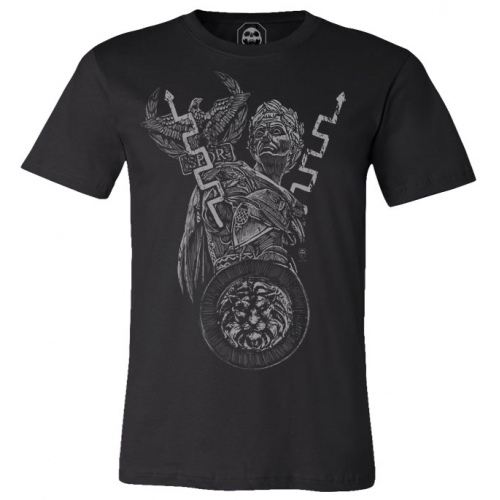
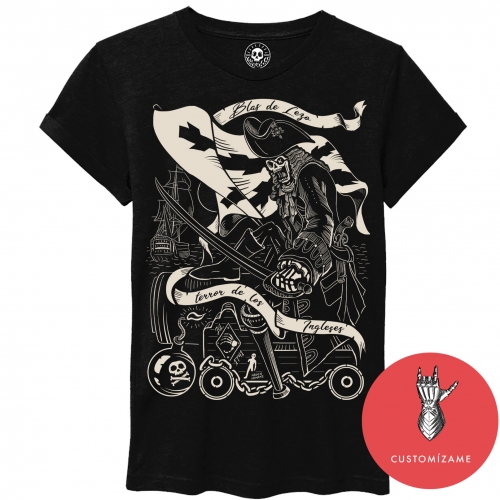
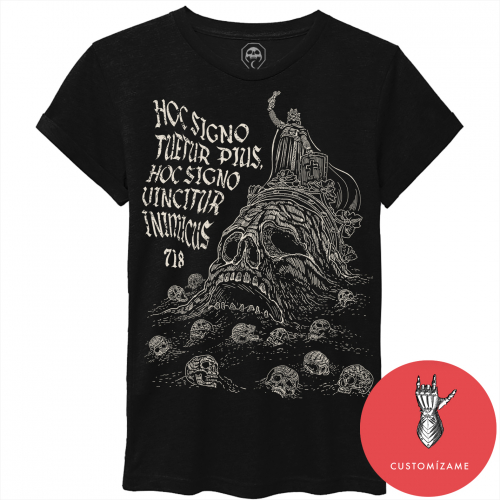
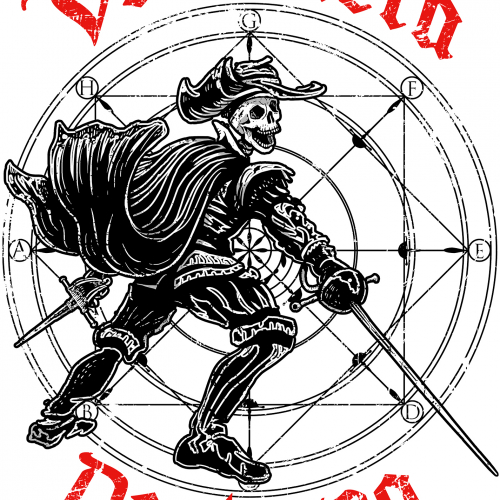
May the Power Metal be with you - Black T-Shirt
Camiseta oficial del proyecto El Poder del Metal
- New

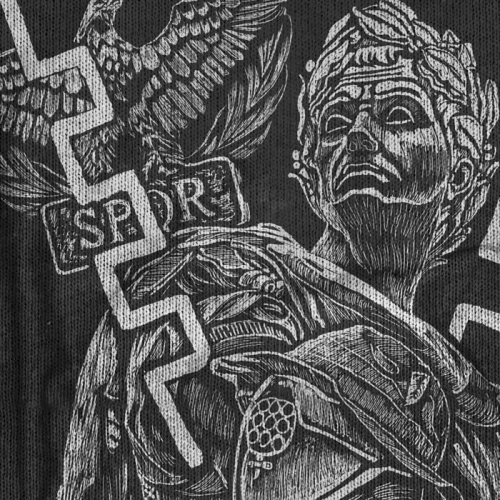
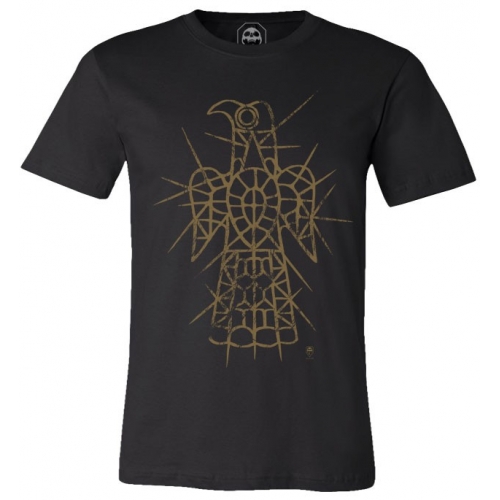
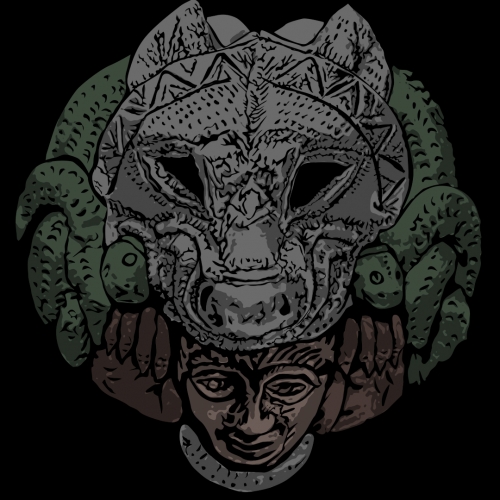
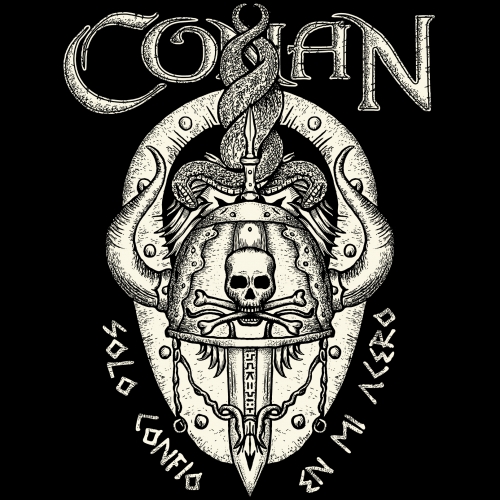
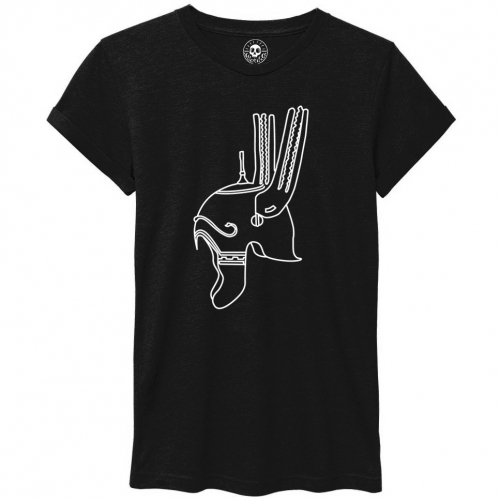
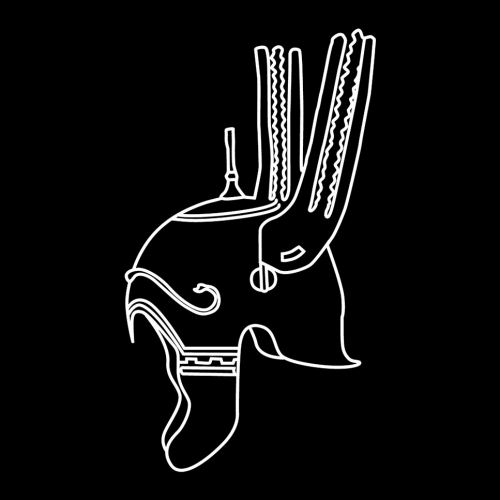
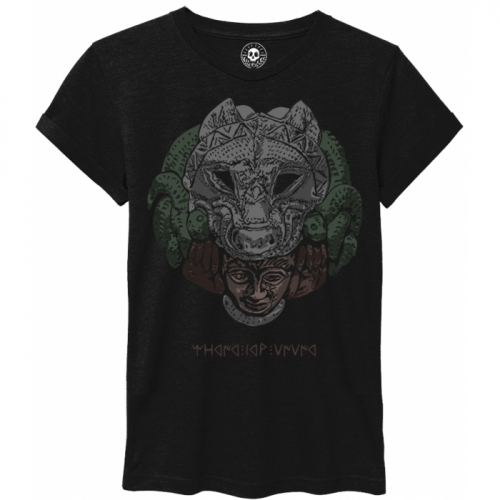
The Celtiberian Warriors proudly wore one of their most important and representative indispensable pieces in their armor: the Helmet; and it is not surprising since it, according to its characteristics, ornamental designs and composition, represented its social status. They were a symbol of the Celtiberian elites.
These helmets, in addition to protecting and adorning, had a magical, supernatural character. They were thrown into the sea as an offering and it is thought that the helmets found in a single site could be a type of Sanctuary dedicated to the God of War.
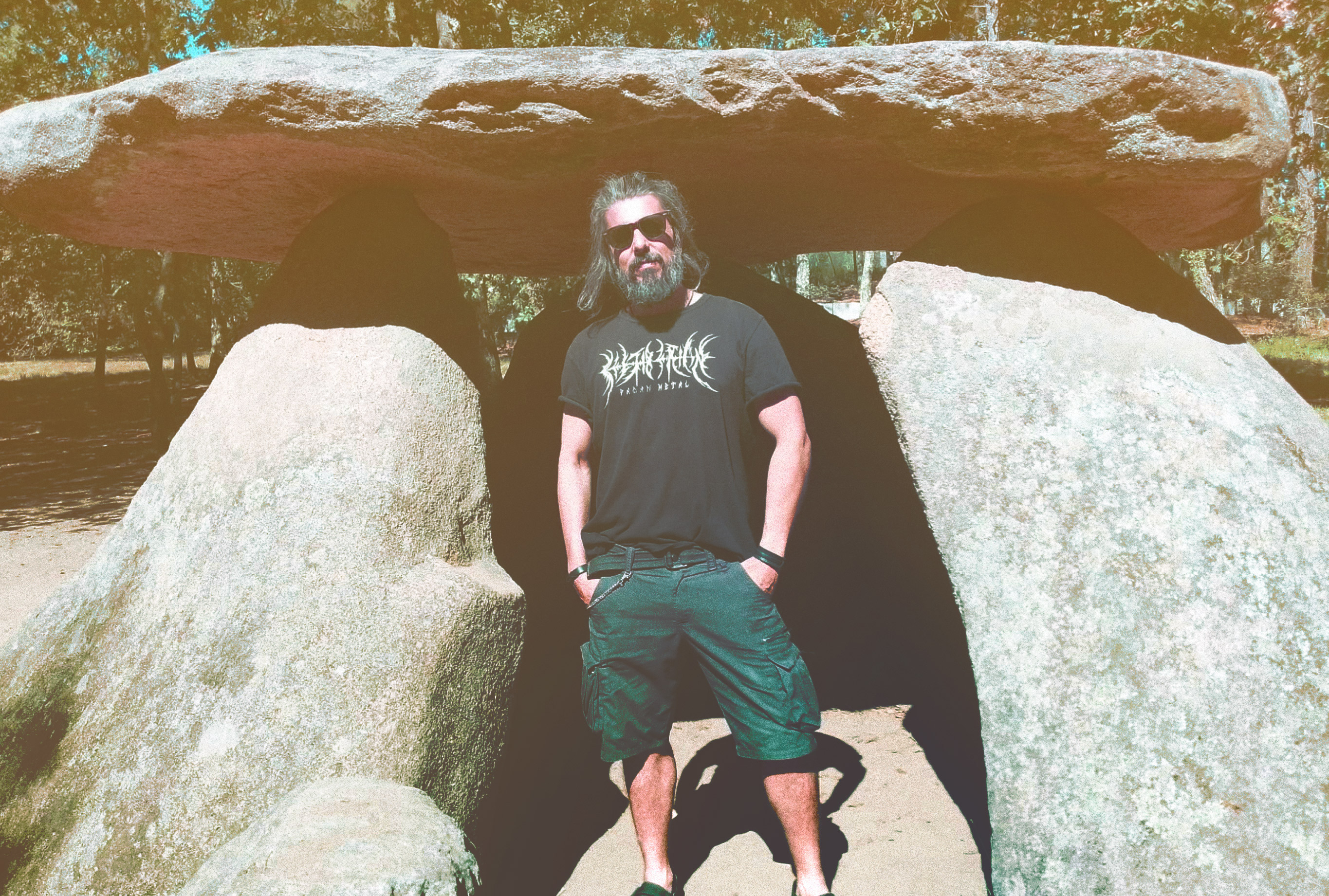
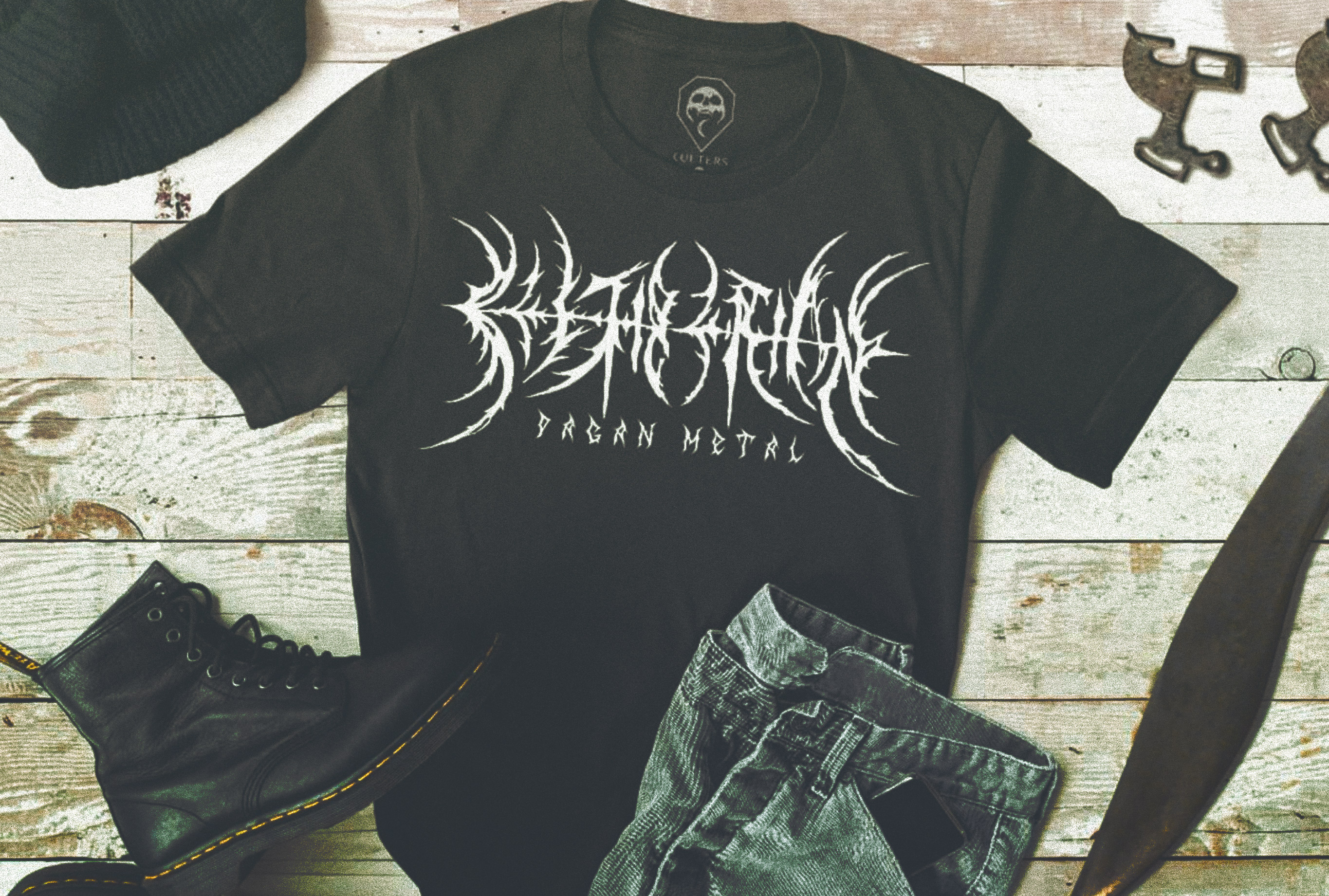
Our tribute to all those bands that in the mid and late 90s created an autochthonous genre, "Celtiberian Black Metal". Distancing themselves from Viking metal, those groups permeated the national scene with their own identity based on the beliefs of the native peoples of ancient Iberia, their lyrics bring us closer to Celtiberian mythology, legends, heroes, gods, epics, nature, customs, rites, Iberian landscapes and the paganism of our pre-Roman culture.
Influenced by Norwegian and Polish black bands, the "barbarians" Nazgul was born in Madrid back in 1995 by the hand of its founder Defernos and the guitarist Thorgul, an emblematic reference band that defined the concept and was one of the germs of the later bands of "Celtiberian Pagan Metal".
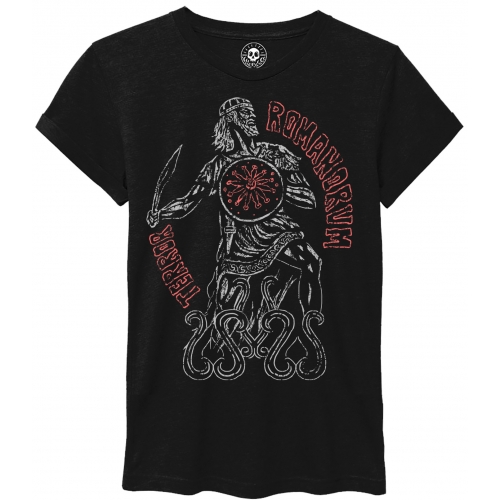
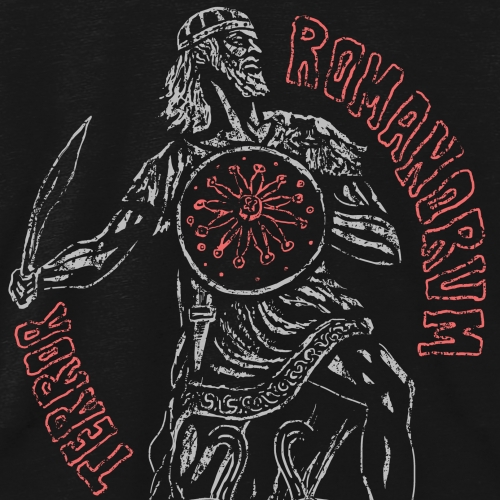
In parallel, the Cantabrian Erun Dagoth creates a melodic and epic Death / Black musical project with Celtic Folk elements called CrystalMoors, whose themes breathe history - the Cantabrian wars for example -, mythology and nature of Cantabria - over time and outside the ranks of Crystalmoors, Erun creates a very interesting solo project called Briargh, straddling epic fantasy, paganism and Celticism. In 2018 they joined forces with the Hordak band - we who do not come from the BM, but from the power of Manowar, Running Wild, Blind Guardian or Helloween, we have discovered them with "Father" and they have conquered us! - to create the split "Árguma / Ophiusa ". Within this cultural paganism they have shared stages with bands of neofolk and dark folk roots, whose compositions sink in ancestral folklore and the magical beliefs of the Iberian peoples, such as Keltika Hispanna whose Black / Death influences are appreciated for example in their album "Terror Romanorvm ".
In this CBM tour we have come across hundreds of bands that have dealt with pre-Christian Iberian autochthonous cultures such as Aiumeen Basoa (1994), Numen (1997), Lux Divina (1998), Berserk (1998), Nakkiga (1999), Cyhiriaeth (2000), Omendark (2001), Carcharoth (2002) or Forestdome (2002).
Therefore, this small design is used almost in crude, to remember this genre and those bands that have raised and carried the flame of the spirit of the pre-Roman peoples of Iberia.
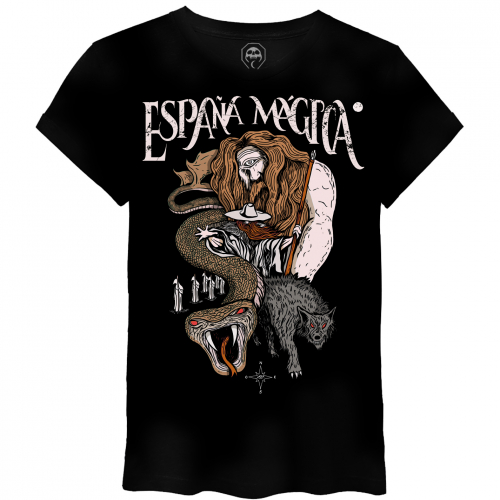
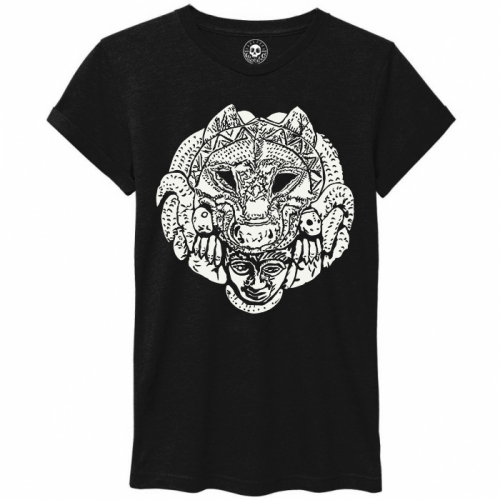
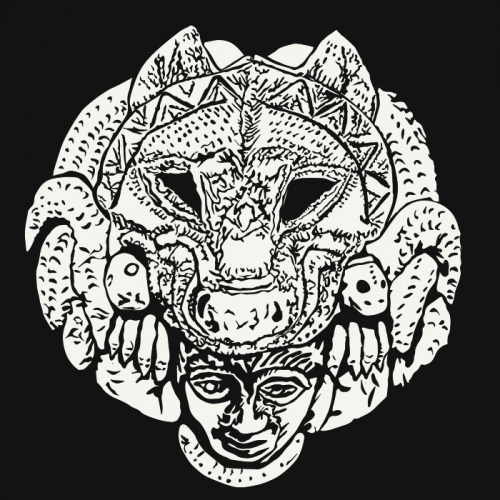
The representation of the wolf in Iberian iconography, as a cult totemic animal, with strong roots in pastoral populations, related to myths and religious symbolism, represents ardor, heroism and warrior mysticism. Combat scenes between wolf and man are common, some symbolize death threat, lineage of power, protection in combat ... and the cult of the night, the path or initiation rite, in the passage to the afterlife, lupus as a guide in the afterlife ...
So recurrent in Iberian art, we find it in the sculptural ensembles of "El Pajarillo", in the Elche-Archena style ceramics, in the mints of the Iltirta and Iltiraka mint, in the "Copa del Carnassier", in the "Torso de Guerrero de la Alcudia"... and in the "Pátera de Perotito" where a young man, his hands are raised in a ritual position, is devoured by the wolf, merging with him, in his transit with the beyond ...
Because the wolf is also death, dying to live, dying to resurrect, when we are eaten we will renew our spirit, as a different being that is reborn as a new man. A journey of the initiate to the world of spirits, a descent to the bottom of the caverns, twinned with a wolf guide who will transfer us his great qualities...
He told them through an angel to look for Pelayo,
that they named him king and that they abide by him,
and in defending the land that everyone helps him,
for He would help her to protect them.
They looked for Pelayo, as he was commanded,
they found him in a cave hungry and damaged,
they kissed his hands and gave him kingship:
he had to accept it, but not willingly.
He received the kingship, but against his wish,
the protected peoples were believed with him;
the unbelieving peoples heard the news,
to come against them all were moved.
Where he was they came to look for him,
first the rock began to attack;
there Christ wanted a great miracle to show,
I think you ever heard him tell.
Arrows and arrows that they shot at the king,
neither to him nor to his people no one came,
as angry as they went, they also became,
if it wasn't themselves, they didn't kill others.
When the Moors saw such an incredible feat,
that their weapons killed their own soldiers,
they remove the fence from the cave, they leave the mountain:
they thought that God had great fury against them.
This King Pelayo, servant of the Creator,
he protected the land so well that he couldn't do better;
the Christians were thus losing their pain
although they never lost their fear of Almanzor.
[Stanzas from El Poema de Fernán González "Pelayo, named king"]
“Nature is alive and populated with invisible _ intelligent forces and beings. Some humans seek their contact and they want it too, but first we must learn to know them..."
Jesús Callejo
CULEBRE
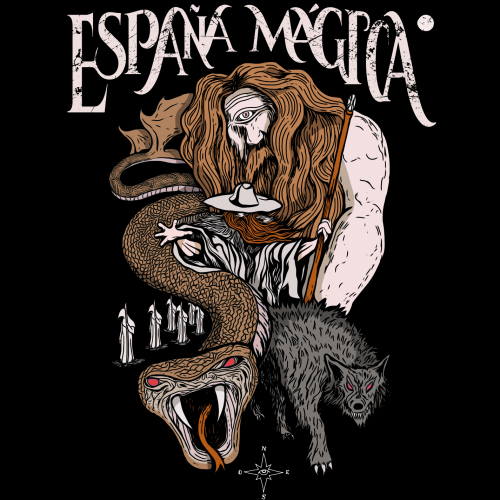
Rural dragon or deadly winged serpent located in Cantabria, Asturias, Galicia, north of León and Palencia. This giant beast with a powerful jaw and forked tongue inhabits mountain caves, cliffs, rocky outcrops and caves. She is a guardian of treasures, the terror of villagers and shepherds, and devourer of maidens.
NUBEIRO
He is the lord of atmospheric phenomena, of rain, storms, hail... They are ruthless and mischievous beings with bushy beards and aged faces. He wears dark clothes and a wide-brimmed hat, lives in the clouds or travels in them and has fun controlling the weather and causing all kinds of damage to the crops. It is usually accompanied by wolves or ravens and is present in Asturian, Cantabrian, Galician and northern León mythology.
BUSGOSU
A kind of faun from Asturian mythology, half goat, half man, seems to have its origin in some entity of the Celtic pantheon. He is the lord and guardian of the forest and everything that lives in it, he helps and cares for the lost shepherds by showing them the way back, but at the same time he is a cruel and deadly enemy to anyone who dares to harm the forest. In addition, this genius of nature has an exacerbated and voracious sexual appetite, even kidnapping beautiful women to satisfy his desires.
XANA
The xanas or fairies of the waters are spirits of nature in the form of beautiful women and long golden hair. This species of nymphs inhabits caves, fountains and the banks of watercourses. There are enchanted ones or owners of treasures and xanas that steal children. They are collected in Asturian and Leonese mythology.
OJANCANO
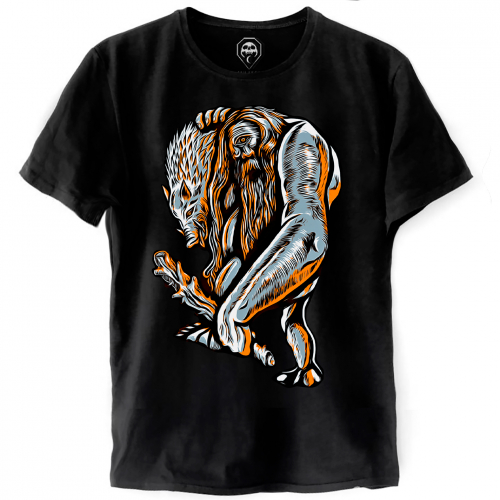
The one-eyed giant of Cantabrian mythology. The vengeful destroyer of the mountains that terrifies every living thing. His strength is enormous. He personifies hatred, anger and cruelty, he is the embodiment of the wild, the untamed and evil. This terrible ogre lives in the deep and gloomy caves of the most remote places of the mountain.
GOBLIN
He is a leprechaun from Leonese, Asturian, Galician and Cantabrian mythologies. It is known as the “gorru colorau” due to its characteristic red beaked cap, it is small in size, and has a playful and mischievous character. They are very mocking and sometimes malevolent. They make objects disappear, change their places and entangle everything they can if they enter your house.
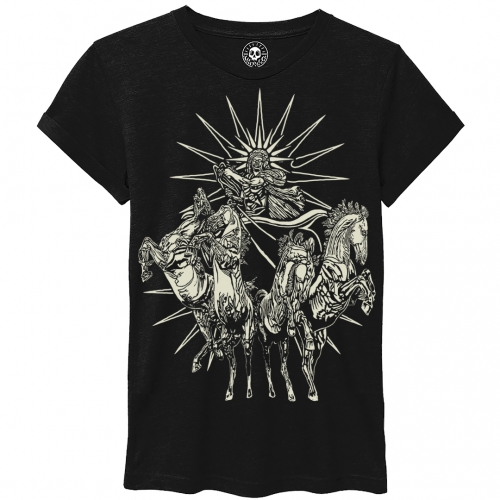
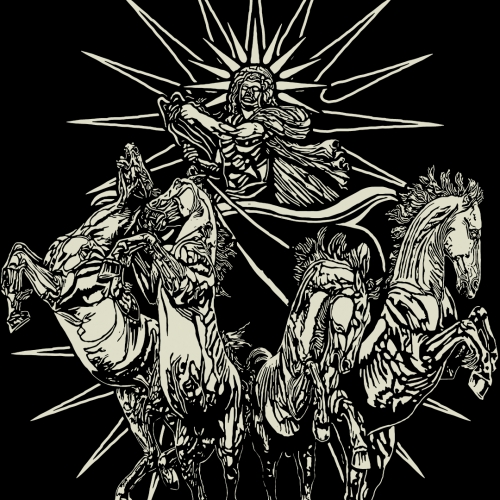
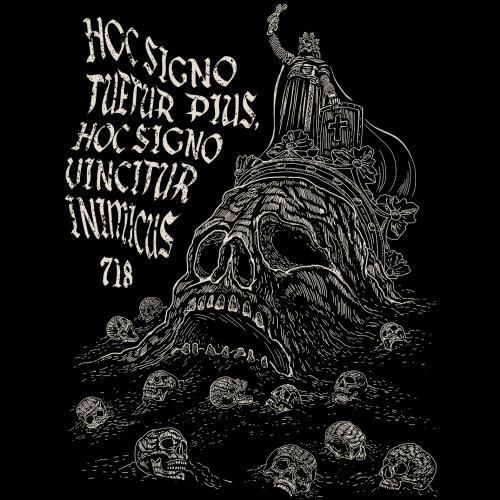
February 27, 380, the emperor Theodosius abolished the religion and festival of the Sun Invictus by the famous edict of Thessalonica. Until then the Romans worshiped the Sun god during the Republic, and with greater prominence in the Imperial era, since the gradual entry of different religions of salvation of monotheistic tendency, such as Christianity and Mithrism, was giving greater weight to the power of the star king, the one who conquered the darkness ...
Emperor Aurelian made it official on December 25 as the day of the birth of the Undefeated Sun (the main divinity of the Roman pantheon at that time) back in the year 274 and later Juliano the Apostate would declare Helios (Greek equivalent) as the only divinity, and would try to prevent the spread of growing Christianity.
Finally, during a long process of syncretism, both the Festival of the Birth of the Invincible Sun "Dies Natalis Solis Invicti" held after the Winter Solstice, when daylight increased, as well as many other acts and celebrations were gradually reconverted. Paganism would come to an end, a new stage would begin with a victorious sun reborn in the arms of a Galilean.
"God is in the center, all roads lead to Him."
"Tradition is not a childish and outmoded mythology but a science that is terribly real"
The thinker, philosopher and poet Frithjof Schuon, promoter of the Sophia Perennis —influenced by the work of René Guenón—, and philosopher of the metaphysical current of Shankara and Plato, scholar of Christianity, Islam and Sufism, advocated the "Unity Transcendent of Religions" (above the devotional, totemic, animist, shamanic, telluric or lunar religions of a matrix nature where the possibility of Awakening to the Supersensible Reality or to the Supreme Principle that is found at the origin of the Cosmos is not conceived) as an antidote to modern nihilism.
Tradition, understanding this not as folklore or customs but as a reflection on the physical plane of the Transcendent reality, as a bridge between heaven and earth. Thus, man is not shielded before transcendence, he can come to see the light and update that transcendent seed within himself. An initiatory path of the hero to update the spirit that we carry in potential to conquer eternity, transmuting us into unconditioned sacred warriors of the world of becoming.
Let us think of Rome and its solar spirituality, of the Greek Dorians of Apollonian worship, that lineage that founded Sparta, of the Celtiberians with their warrior brotherhoods and the mors triunphalis, of the ascetic warrior cavalry of the High Middle Ages, of the Arthurian cycle, the Temple , the Holy Roman Empire, Taoism, Tantrism, the Vedas, the samurai and Zen Buddhism… where Tradition was very much alive…
That traditional world that also considered that the forces of nature were alive, they had a soul. Nature and the universe was someone. There was a sacral interpretation of virgin nature. From the Plains Indians —Schuon "saw something of the nobility and majesty of the Primordial tradition"—, the Celts, the Slavs, the Germans, classical Greece or ancient China.
Thus, there are clues in the world of Tradition to enliven the Sophia Perennis and face the darkness of the modern world or kali-yuga. The world of Tradition as an antidote to the Modern world.
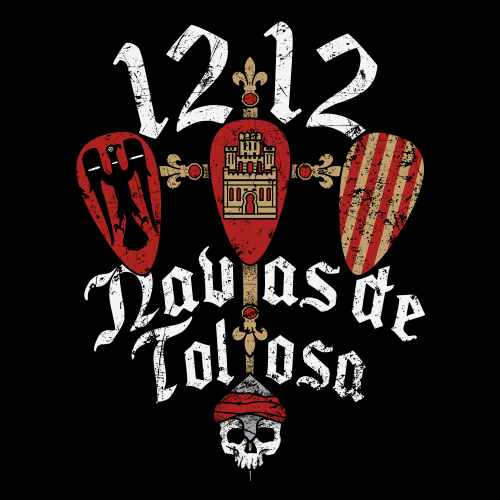
In 1212 three kings put aside their differences and, shoulder to shoulder, galloped and charged in the Navas de Tolosa against the Almohad army of Miramamolín Al Nasir that was determined to reconquer Spain and reach Rome itself.
Horsemen, cavalry, council militias, military orders, Templars, Calatravos, Santiaguistas, volunteers, gentle men ready to fight the half moon. The confrontation was cruel. Terrible scenarios with metal ripping and tearing ...
When it seemed that all was lost for Christians, the banner of the three wolves was raised...
It is Lopez de Haro who, together with his son and his Castilian knights and innkeepers, set out at the head of the vanguard determined to immolate themselves. King Alfonso VIII of Castile, who looks at it excitedly, launches the attack shouting "Here, Bishop, we all die." Pedro II of Aragon and Sancho VII of Navarra followed him ...
The epic and the enthusiasm seizes everyone and it is that the three kings ride and charge just through the hills of the Navas de Tolosa de Sierra Morena...
The representation of the wolf in Iberian iconography, as a cult totemic animal, with strong roots in pastoral populations, related to myths and religious symbolism, represents ardor, heroism and warrior mysticism. Combat scenes between wolf and man are common, some symbolize death threat, lineage of power, protection in combat ... and the cult of the night, the path or initiation rite, in the passage to the afterlife, lupus as a guide in the afterlife ...
So recurrent in Iberian art, we find it in the sculptural ensembles of "El Pajarillo", in the Elche-Archena style ceramics, in the mints of the Iltirta and Iltiraka mint, in the "Copa del Carnassier", in the "Torso de Guerrero de la Alcudia"... and in the "Pátera de Perotito" where a young man, his hands are raised in a ritual position, is devoured by the wolf, merging with him, in his transit with the beyond ...
Because the wolf is also death, dying to live, dying to resurrect, when we are eaten we will renew our spirit, as a different being that is reborn as a new man. A journey of the initiate to the world of spirits, a descent to the bottom of the caverns, twinned with a wolf guide who will transfer us his great qualities...
CHOOSE BELOW BETWEEN THE DIFFERENT VERSIONS OF THE OJÁNCANU
[1 - Ojáncanu blue-green, 2 - Ojáncanu bone, 3 - Ojáncanu white (WHITE COLOR), 4 - Ojáncanu full color, 5 - Ojáncanu dull blue, 6 - Ojáncanu orange, 7 - Ojáncanu military green, 8 - Ojáncanu electric green, 9 - Ojáncanu green Franky]
with reddish hair and beard who tears apart the mountains, provokes argayes, kills and destroys without mercy everything that crosses his path and delights in the suffering of the men of the north. Without a doubt, he is the vengeful destroyer of the entire mountain range that terrifies every living creature. His strength is enormous. He personifies hatred, anger and cruelty, he is the embodiment of the wild, the untamed and evil. This terrible ogre lives in the deep and gloomy caves of the most remote places of the mountain. "I hope you go blind, you evil-born ojáncanu, so that I can tear out your white hair and die, damn you."
AND DON'T FORGET TO CHOOSE YOUR SIZE!
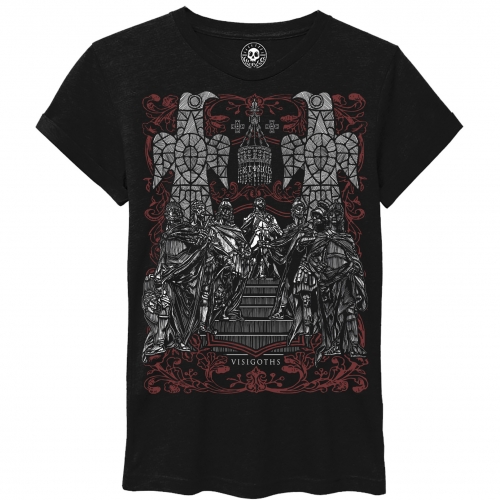
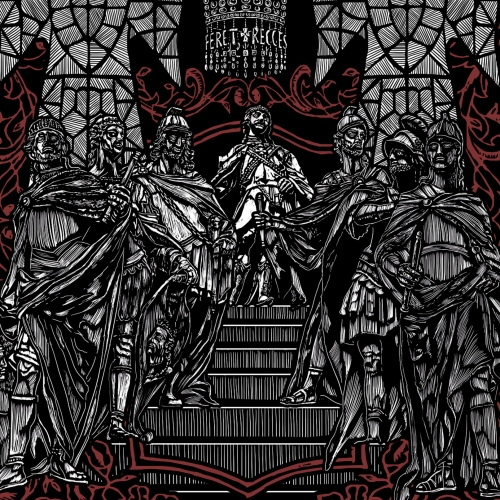
Adventurers, warriors, survivors, barbarians, nomads and plunderers, the epic Goths crossed half the world, living mythical episodes. Related with the Nordic universe, they worshiped the kingdom of Asgard, their eagles and crows that whispered to Odin the thought and memory of the mortals, guide them from the legendary corners of Scandinavia, crossing the Balkans towards the West. They saw the fall of the Roman Empire and the rise of the Muslim, and built a new powerful hispanic state where they coexisted with the three cultures.
"He was not the most honest or the most pious man, but he was a brave man" P. Reverte.
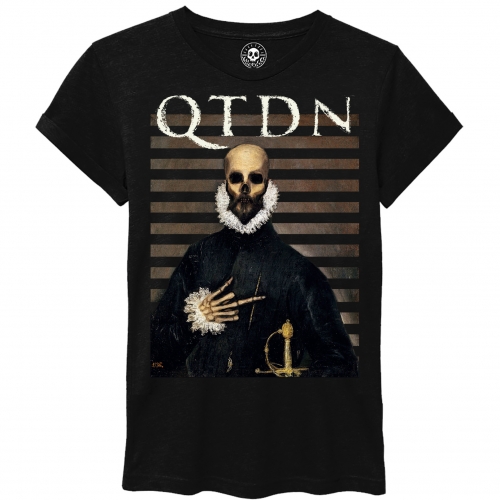
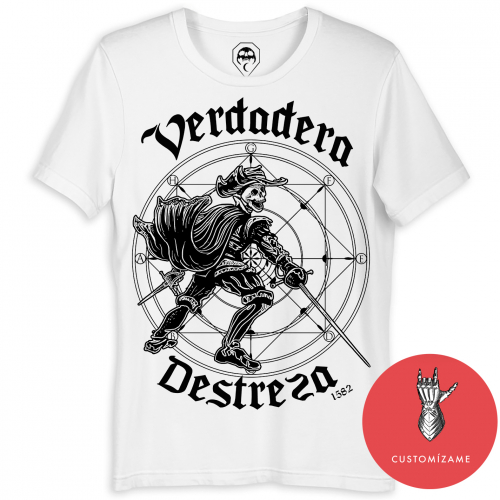
If you lived dangerously and your life was hanging by a thread, if you defied authority, defending your reason and rights with the proud point of your sword, if you sacrificed yourself and were generous and human, if you were fearless, reckless, arrogant, brave, adventurous, seductive, rogue, loyal, if you were capable of the most heroic but also the meanest actions, if you were guided by your code of honour, if you sought glory on the margins of society and the law, if you lost your innocence in the face of the harsh reality of mud and blood, and if, disenchanted, everyone abandoned you. .. then you were probably an Old Thirdsman, a tired hero in rusty armour, a forgotten anti-hero like a cursed Alatriste.
It is time to kill the dragon, it is time to tame the ego within us, but also to overthrow all kinds of tyrants, with their new faces and new appearances. Those new gods of modern societies, who try to take away our humanity, don't you see the effects of the crazy technology that has already usurped it from us?
We must not ignore the teachers of Tradition or Tolkien himself - who pointed out in his work the threats of machines and industrial hell against the natural environment, where technology was used by the forces of evil -, who put the emphasis on depersonalization and separation of man from nature as some of the evils of the modern world. It's time to slay this new dragon! In the words of Ronnie James Dio, the magical hard-rock voice of epic and heroic fantasy, it is time to put an end to “electronic serfdom”…
“Silence - we hunt for the queen
Sign of the cross
And pray in-between
Look by the light of the day
She's hiding till dark
Waiting to play hey-hey
Something's taken a child
And it all must end
Time to be killing the dragon again
Silence - we'll hunt for the lord
He takes crimson and gold
Gave ice to the cold
Oh to be never afraid
Of wolves at the door
Howling for more
More's been empty for years
And it all must end
Time to be killing the dragon again
Kneel and behold your new king
Digital dreams
And wonderful things to tease you
Small gods with electrical hearts
And it all will end
Time to be killing the dragon”
[Killing the Dragon - Dio]
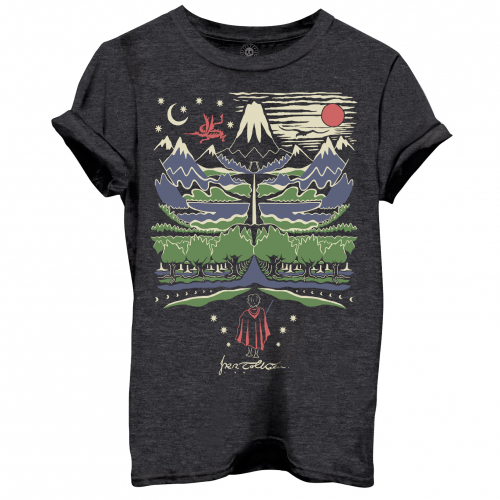
To approach the Tolkien universe on the anniversary of his death is, in addition to remembering his life and his original work, to approach the myth, his ancestral conception, his values and his wisdom. To travel through Middle-earth with its dragons, hobbits, dwarves, elves, giants, wizards, ents, demons, skin-shifters, orcs, uruk-hais, nazguls, men... through its amazing landscapes, kingdoms and places, and to be left alone with the epic episodes and battles against the diabolic hosts of the dark lord Sauron would be to miss his spiritual teachings.
Through the Hobbit, the Lord of the Rings or the Unfinished Stories we can learn from the magical and ancestral wisdom of the great wizards or sacred sages, observe and teach us against corruption, degeneration, weakness, envy, the mastery and ambition that will lead to a scenario of struggle between good and evil, as well as contemplating with hope the incarnation, love, friendship and dedication of archetypal characters with heroic vocation such as Gandalf, Bilbo, Frodo or Aragorn who will give us life lessons.
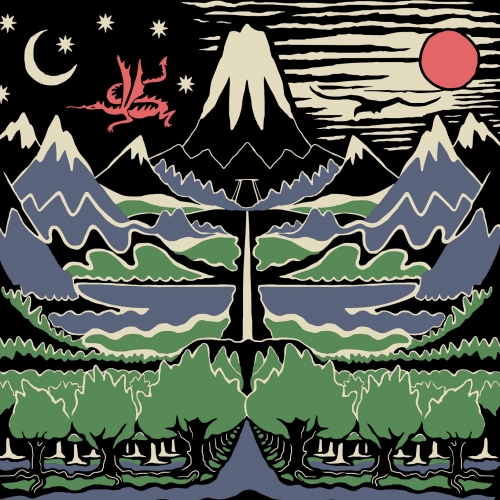
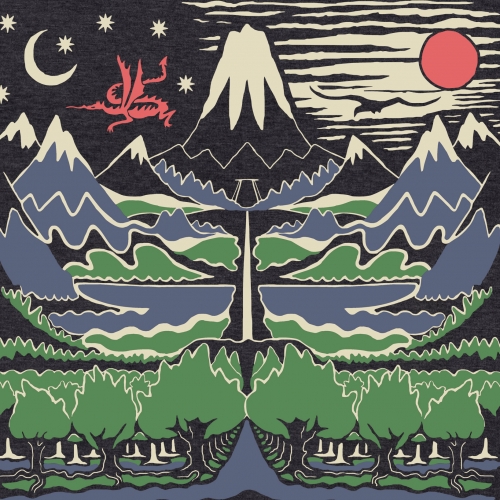
[Interpretation of Tolkien's original drawing]
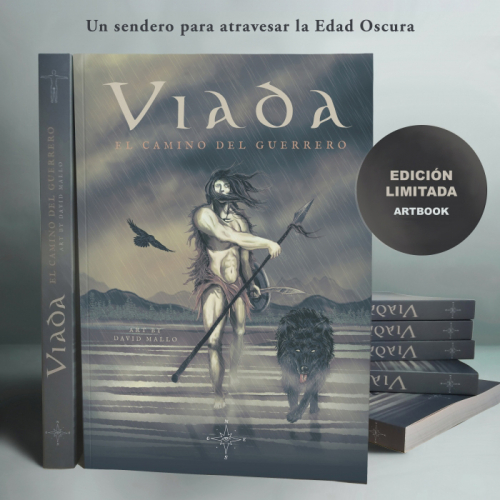
DIGITAL EDITION (FREE)
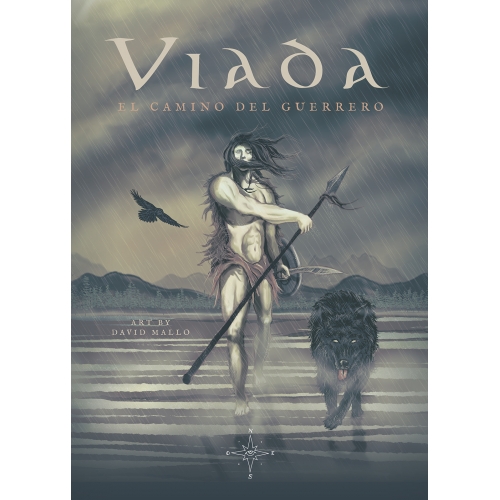
The viada according to the RAE is the violent departure or departure of a person or an animal. It is also defined as the start-up or starting of an engine. With various meanings in disuse such as an attack or the defeat of enemy troops.
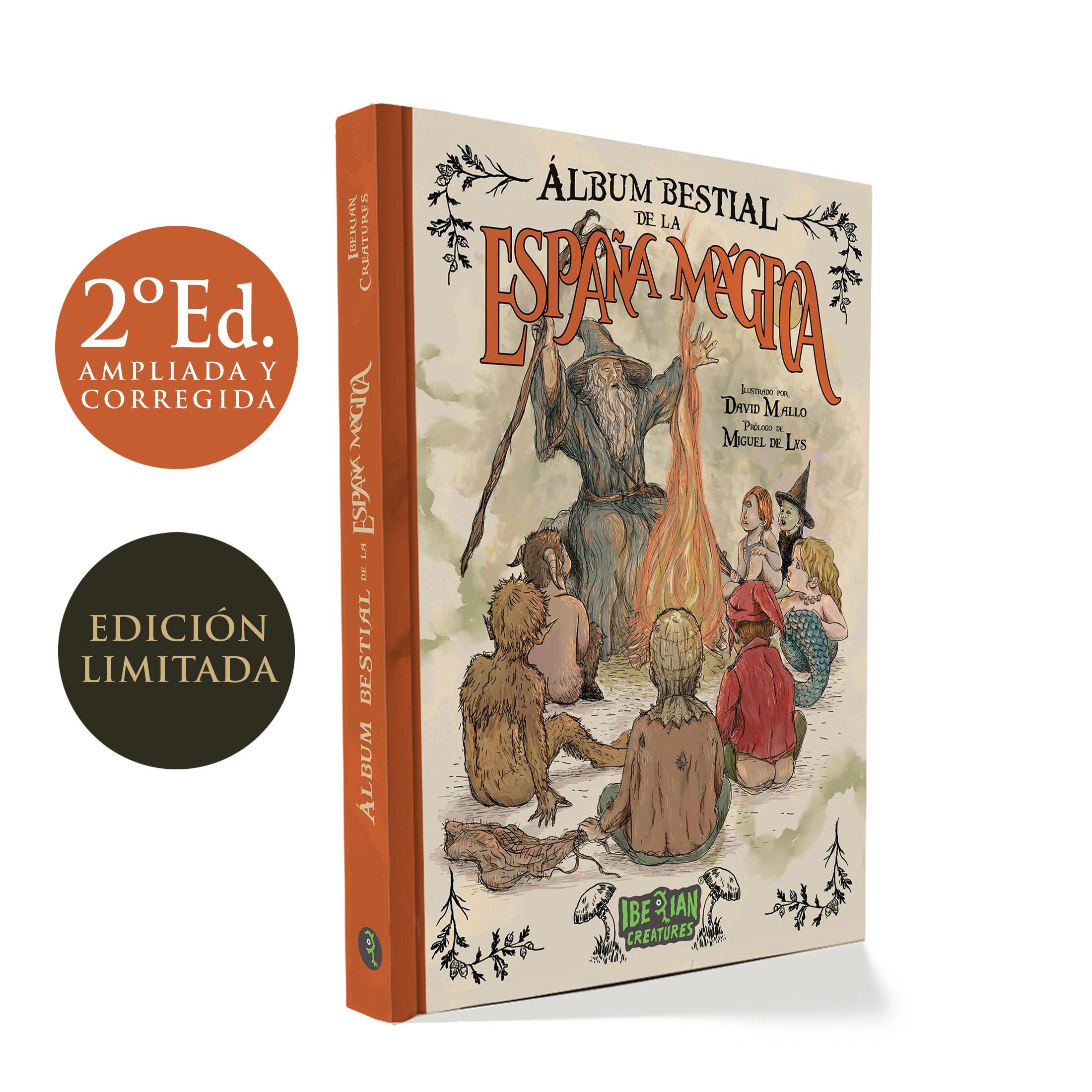
Much of it you will find in the pages of this graphic work. A compilation loaded with lights and shadows, myths and legends, ancestral references and historical identities. There is love and also many passages of war. But above all there is a purpose that you will discover through a path of the spirit, a pagan path, a magical path, a path of cultures, a path of action and a path of death.
Because this is a journey and a warrior path. An intimate and direct blasting—violent of course, since it is a first radical shock to your own sensitivity and subjectivity—of your reality. An inner revolution to start surfing the wave.
In 1212 three kings put aside their differences and, shoulder to shoulder, galloped and charged in the Navas de Tolosa against the Almohad army of Miramamolín Al Nasir that was determined to reconquer Spain and reach Rome itself.
Horsemen, cavalry, council militias, military orders, Templars, Calatravos, Santiaguistas, volunteers, gentle men ready to fight the half moon. The confrontation was cruel. Terrible scenarios with metal ripping and tearing ...
When it seemed that all was lost for Christians, the banner of the three wolves was raised...
It is Lopez de Haro who, together with his son and his Castilian knights and innkeepers, set out at the head of the vanguard determined to immolate themselves. King Alfonso VIII of Castile, who looks at it excitedly, launches the attack shouting "Here, Bishop, we all die." Pedro II of Aragon and Sancho VII of Navarra followed him ...
The epic and the enthusiasm seizes everyone and it is that the three kings ride and charge just through the hills of the Navas de Tolosa de Sierra Morena...
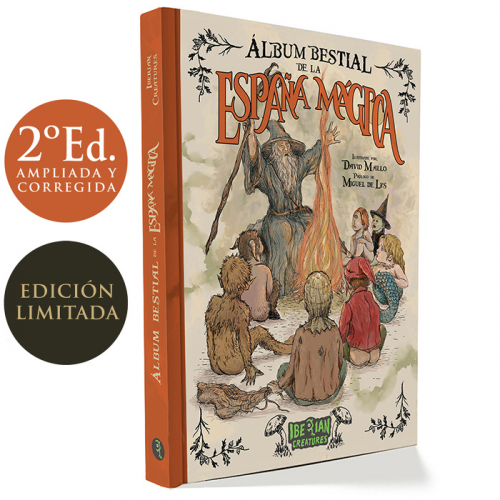
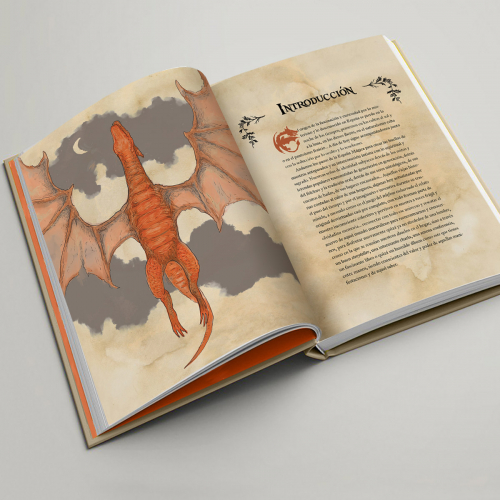
The origin of the fascination and curiosity for the mysterious and the unknown in Spain is lost in the mists of time. There are the cults of the sun and the moon, the Iberian gods, Celtic naturalism, Phoenician pantheism... To this day it continues to accompany us along with the seduction of the secret, the eschatological and the dark.
Faced with the empire of scientific reason and materialism, we walk in the footsteps of Magical Spain to observe the footprints of our ancestors and their intimate interconnection with the spiritual and sacred. Our hallmarks —which are our roots, our character, and our Hispanic spirit— lie behind the popular tales and legends handed down generation after generation, behind folklore and its enchanted places, and are already part of our collective unconscious. Reconnecting with all that supernatural universe —forces of energy and telluric power—, far from trickery and ignorance, and rescuing the heritage of that wonderful world is what moves us.
A mythical Spain, rich in Templar constructions linked to dark treasures, secret societies, legends of the Grail, magical beliefs of Islamic culture, Jewish sorcery and cabalistic magic. A Spain of heterodox tradition, miracles, saints and martyrs, idolatry and apostasy, superstition, demon worship, apparitions, processions of penitent souls or souls. A black Spain of obscurantism and witch hunts too. A Spain of stories and legends such as that of the cleric of Eiztari-Beltza and the legend of the black hunter, the nymph of Júcar, the xana Caricea, the mariños of Lobeira, the fish Nicolás, the treasure of the castro of Altamira, the gap of Roldán , the curse of Laurinaga, the legend of the magician Illán...
An unknown Spain with innumerable magical routes to get closer to its legends, the enigmatic, the sacred and the magical. Itineraries through dark worlds and worlds of light, through ancient forests, magical mountains, mystical enclaves, entrances to the afterlife, cave paintings, therapeutic sanctuaries, villages, cursed hospitals and convents, enchanted castles and hermitages, hidden chapels, abandoned holy places , cathedrals, churches, monasteries, mosques, synagogues, alleys of the dead, caves, underground, crypts or catacombs.
Magical walks that bring us closer to the ancestral arts, covens, spells, bewitchments, spells, spells, invocations, curses, evil eyes, sorceress entanglements, ritual and power objects, talismans, amulets, sacred relics; beings from here and there such as evil spirits, demons, angelic entities, possessed, exorcists, mummies, tormented ghosts, heretics, inquisitors, goblins, witches or goblins.
A journey through the geography of the mysterious through its mystical, enchanted and haunted forests like those of Orrius or Baztán; of its centuries-old beech forests inhabited by ireltxos (mischievous geniuses), lamias (seductive nymphs) and genius-protectors such as Basajuan in the magical Otzarreta; or by the chestnut and oak forests and powerful healing springs such as those of San Juan Xar.
This fantastic journey will go through its mountains of great spiritual charge and telluric force, with entrances and interdimensional portals such as that of Montserrat (La Moreneta) dominated by the great stone of the devil that points towards the sky —as a trace of the flight of the devil according to the legend of the woodcutter, a place of pilgrimages in search of the Holy Grail. Or by its rivers bathed in water nymphs with duck feet like those of Bidasoa; its black lagoons dominated by man-eating marine beings in the Sierra de Urbión. And its mountains of souls on the banks of the Duero or mountains of Celtic rituals like the one in Pindo inhabited by magical creatures. Without forgetting its enchanted roads like the Asturian one full of mythological characters and legends or with stories of witchcraft, black magic and cannibalism like those that took place in the Zugarramundi caves.
We can discover the magical thought that underlies Spain through its cities and towns, as in Galicia with its witches, its churches of souls, its old cemeteries, its stone crosses, its Santas Compañas, its pilgrimages or its Camino de Santiago to Finisterre; as in Aragon and the route of the chamineras and the scarecrows; as in the unusual and secret Barcelona that keeps in its Gothic quarter stories of freemasons, Templars, inquisitions, hermeticism and Solomon's talismans.
Or like in the imposing city of Toledo whose hinged entrance door to the old Regnum Gothorum already anticipates magical and hidden elements of the hermetic-alchemical tradition. A city that reveals its secrets, its hidden soul and its magical knowledge —magic, bewitchments, spells, spells and incantations were considered part of the Toledo sciences, which were not at all associated with fanaticism, superstition and ignorance— Inside we find: wise men, such as those of the School of Necromancy —to which famous witches, magicians and necromancers such as Enrique de Villena who practiced divinatory and magical arts attended—, who try to know the mysteries of the Ars Toledana, books that connect with the forces of the invisible, works of valuable knowledge in astronomy, alchemy, mathematics and magic from the different Greek, Arab and Jewish cultures, which were translated by the Toledo School of Translators in the time of Alfonso X; evidence of worship to the secret science of Baphomet by the order of the Temple; or clues about King Solomon's Table —which gave unlimited knowledge— and the Caves of Hercules —which accumulated knowledge and secrets, where only the chosen ones could access them.
In our journey through the sacred and profane —in the forests, towns and cities—, therefore, we can trace magical elements, hidden keys to our history and our traditions, vestiges of our distant past in order to understand thought, anthropology and the beliefs of our ancestors that still survive. We can know how they related to that invisible and supernatural world —which was in full harmony with nature— and make this magical and living Spain the “initiatory Spain” towards a knowledge without prejudices, towards a superior knowledge that reconnects us with the remote and the mysterious.
Culters, our pride, our alternative unisex dress code for rebellious and free spirits with an irreverent attitude inspired by cultural heritage and ancestral historical events.
Legendary Essence: Mythic and ancestral worlds, stories of legend, melting pot of cultures, praise of freedom, treasures of the soul.
Light is born from Black: Variations of black and grey tones combined with the intensity of Gold, the identity of CULTERS.
The Ritual of Beauty: The chord of energy, creativity and heart, the emblem of each design, each detail chosen carefully keeps the secrets of an exclusive product, designed to enjoy an iconic and timeless comfy garment, that is soft to the touch and respectful with the environment.
Play ancient melodies now, Culture should not wait!!
Sustainability: Made of 100% ring spun good quality soft cotton. Sustainably grown and ethically harvested.
Durability: The fabric is soft and resistant, it doesn't fade shrink as long as the washing instructions are heeded.
Eco Friendly: The coloring materials are ecological, certified and safe. They are not a risk to human health.
Creativity: The designs are unique. Made by hand by recognized illustrators and digitized with the best techniques to achieve a high quality finish.
Genuine Responsibility: Caring for people, Conserving the environment and Creating stronger communities.
Transversality: Knowledge, respect and Integration of all the World Ancestral Cultures.
Get up with the sun, with the beats of nature; open your heart and soul to the Great spirit; feed on the ancestral wisdom, take care of your mother, your land and enjoy the trip but do not leave traces...